Style Guide

How to Tell If Clothing Is Good Quality

Learn how to identify quality clothing by checking fabric, seams, hardware, finishing, and fit before you spend money.

Article summary

  • Judge quality through fabric, construction, hardware, finishing, and fit potential rather than price or branding alone.
  • Use fiber content, drape, stitch consistency, seam finishing, and recovery as your fastest indicators.
  • Treat labels and product pages as evidence, not reassurance, especially when details are vague.
  • A few practical checks in store or online can prevent most weak purchases before they enter your closet.
Close-up of well-made garment details, stitching, and texture

Start with fabric before anything else

Fabric is the first filter because it shapes almost everything that comes after. Comfort, drape, breathability, pilling, recovery, and how the garment ages all start there. A shirt can have neat stitches and still disappoint if the fabric feels thin, lifeless, or plasticky. A jacket can look impressive on a hanger and fall apart as soon as the cloth starts to distort under wear.

Natural fibers such as cotton, linen, wool, silk, and cashmere often age better and breathe better, but the fiber name alone is never enough. Good quality shows up in weight, density, surface feel, and how the fabric moves. A smooth long-staple cotton feels different from a brittle cheap cotton. A good wool has resilience. A strong linen has texture without feeling flimsy.

Wool swatches with varying patterns

Wool swatches with varying patterns

Photo by Tima Miroshnichenko on Pexels

Natural fibers are useful, but purpose still matters

Natural fibers usually provide the clearest path to everyday quality because they breathe, soften well, and often look better with wear. But synthetics are not automatically useless. Small percentages of elastane can help recovery. Nylon can improve durability in an outer layer or travel piece. The real question is whether the blend improves the garment's job or just lowers the quality ceiling.

If a lightweight summer top is mostly polyester, that is usually a warning. If a trouser has a small amount of stretch to keep its shape through the day, that can be purposeful. The label should help you understand the logic of the garment, not hide it.

Curated Product Recommendations

Staples

Province of Canada

Washed Poplin Shirt Navy - Unisex

Shirts

Washed Poplin Shirt Navy - Unisex
Staples

Province of Canada

Cotton Knit Sweater Ecru - Unisex

Knitwear

Cotton Knit Sweater Ecru - Unisex

Construction tells you how seriously the garment was made

Once the fabric passes, construction becomes the next major clue. Straight seams, consistent stitch density, secure seam allowances, and aligned patterns all signal care. Loose threads on their own do not always mean disaster, but uneven stitching, twisting seams, puckering, or mismatched stripes usually tell you the garment was rushed or cheaply assembled.

Pay attention to stress points. Underarms, side seams, pockets, crotches, and plackets need reinforcement because they take real wear. Bar tacks, clean topstitching, and thoughtful shaping details such as darts or gussets show that the maker considered longevity and movement instead of just appearance.

Loose, uneven seam on a shirt

Loose, uneven seam on a shirt

Photo by Skylar Kang on Pexels

Look where cheap garments usually cut corners

Pattern alignment at seams, clean hems, well-finished interiors, and secure pocket attachments are all details worth checking. They are not glamorous, but they often separate clothes that hold up from clothes that unravel into annoyance after a season.

Interior finishing matters more than most people think. Bound seams, clean overlocking, lining that does not pull, and facings that lie flat all improve wear and feel. A garment should not only look tidy from the outside. It should make sense once you inspect the inside too.

Hardware and finishing often reveal the real story

Good hardware tends to feel decisive. Buttons should feel secure, not wobbly. Zippers should glide smoothly and sit flat. Snaps should close cleanly. Cheap plastic buttons, tinny zippers, and weak internal finishing can drag down even decent fabric because they fail where the garment is handled most often.

Finishing details are equally revealing. Look for hems that do not ripple, facings that stay in place, and linings that help the garment move rather than fight it. These details are rarely the main event in marketing copy, but they often tell you whether a piece was built for repeat wear or just for the first impression.

Close-up of a zipper found on jeans

Close-up of a zipper found on jeans

Photo by Dmitriy Steinke on Pexels

Small details are not small if they fail first

A beautiful coat with a weak zipper will quickly become frustrating. A trouser with poorly attached buttons will not feel like value, no matter how expensive it was. The fastest way to spot this is to interact with the garment. Fasten it. Unfasten it. Hold the button placket. Check the hem. The weak points reveal themselves quickly.

Online, you have to simulate this by reading closely and zooming hard. If a retailer avoids showing interior finishing or hardware details, that is information too.

Curated Product Recommendations

Elevated

Alex Mill

Regent Jacket In Waxed Cotton

Outerwear

Regent Jacket In Waxed Cotton
Elevated

Meermin

Black Calf Horsebit Loafer

Footwear

Black Calf Horsebit Loafer
Elevated

Meermin

Dark Brown Calf Chelsea Boot

Footwear

Dark Brown Calf Chelsea Boot
Designer

Kallmeyer

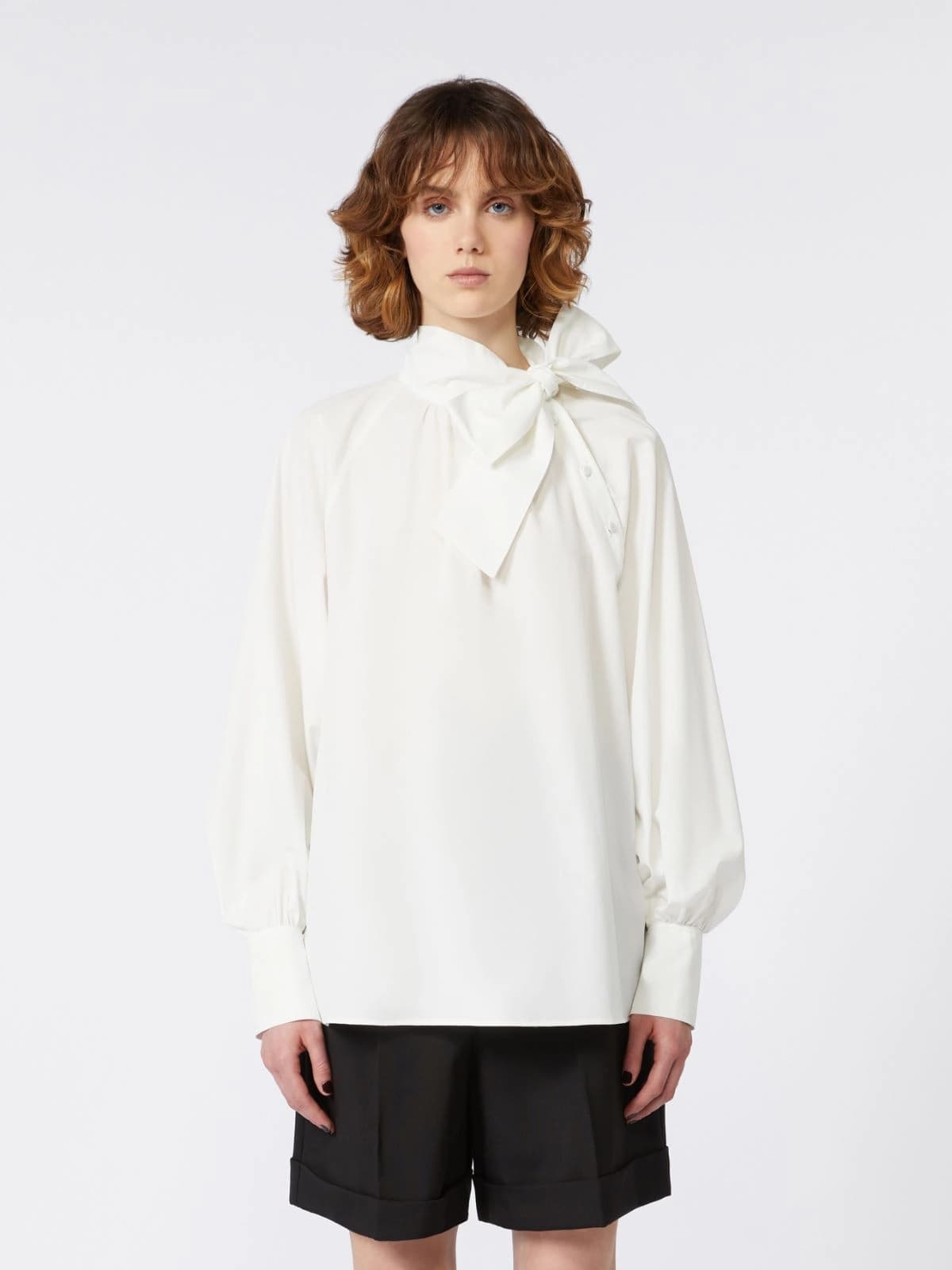
Chloé Bib Button Down in Voile & Lace

Shirts

Chloé Bib Button Down in Voile & Lace

Fit and cut should make sense before tailoring enters the conversation

Quality clothing is usually easier to fit because the pattern and proportions start from a better place. That does not mean everything must fit perfectly off the rack. It does mean the garment should hang in a way that suggests the maker understood balance, drape, and movement. A good shirt sits cleanly at the shoulder. A trouser falls without twisting. A jacket does not collapse or buckle in strange places.

Tailoring can refine a good garment. It cannot rescue a badly cut one every time. That is why fit potential matters. Before you buy, ask whether the piece is fundamentally sound enough to justify adjustment. If the proportions are already wrong, the fabric unstable, or the seams distorted, it may never become the piece you hoped for.

Muslin sample of a custom piece being tested on the client's body

Muslin sample of a custom piece being tested on the client's body

Photo by cottonbro studio on Pexels

Use labels and product pages like evidence

When you shop online, you lose the ability to feel the fabric and inspect the inside quickly, so the product page has to carry more weight. Read the fiber content. Look for precise language instead of vague claims. Zoom into seams, buttons, plackets, and hems. Read reviews with an eye for shrinkage, pilling, sheerness, and hardware failures rather than just broad praise.

A good product page usually gives you enough information to make a reasoned call. A weak one often leans on mood and avoids specifics. If the fabric content is hidden, the close-ups are unhelpful, and the description is vague, assume you are being asked to take on more risk.

Product page zoomed on garment details and fabric information

While browsing products, ensure that you review the piece's material composition

Photo by picjumbo.com on Pexels

Common Mistakes

Assuming price guarantees quality

Expensive garments can still use weak fabrics or poor finishing. Price should increase scrutiny, not replace it.

Reading only the front label

Fiber names matter, but percentages, lining, trim, and construction details matter too. The full story is rarely on one tag line.

Overlooking the inside of the garment

Interior finishing, seam allowances, and reinforcement often reveal more than the outside styling does.

Buying for fit fantasy instead of fit potential

If the cut is fundamentally off, tailoring may not be worth it. Start with garments that already hang well.

Practical Examples

In-store quality check for a shirt

Feel the fabric, check opacity against the light, inspect the placket and seams, and make sure the buttons feel secure before you ever think about the price.

Online quality check for trousers

Zoom in on seam lines, closure, and drape. Read fiber content and search reviews for stretching, pilling, or twisting after wear.

Testing recovery in knitwear

Gently stretch a cuff or hem. Better fabrics and construction usually return more cleanly, while weak knits stay distorted or feel limp fast.

Spotting weak hardware fast

If the zipper sticks, the button shanks wobble, or the snap feels flimsy in your hand, the garment is already telling you where the trouble will start.

Product Call-Out Ideas

Things to inspect first

  • fiber content label
  • button attachment
  • zipper quality
  • seam consistency
  • hem finish

Strong signs on a product page

  • clear fabric breakdown
  • close-up detail photography
  • interior construction shots
  • specific care guidance

Red flags worth walking away from

  • vague fabric language
  • thin plasticky handfeel
  • puckered seams
  • cheap hardware

HiLo Takeaway

Quality is not one dramatic feature. It is the accumulation of sensible decisions across fabric, cut, seams, hardware, and finishing.

When you learn to read those signals, you stop depending on branding to do the thinking for you. That is what makes shopping more intentional and a wardrobe more durable.

FAQ

How can you tell if clothes are high quality?

Start with fabric, then inspect seams, hardware, finishing, and fit potential. A strong garment usually feels coherent across all five, not just one area.

Are natural fibers always better?

Not always, but they are often better for breathability and aging. Blends can still be useful when they improve recovery, durability, or weather performance.

What should I check first when shopping online?

Fiber content, close-up photos, and reviews that mention pilling, shrinkage, or construction issues are usually the best first filter.

Is it worth paying more for better quality clothing?

Usually yes, if the quality is real. Better fabric and construction often lower cost per wear because the garment lasts longer and feels better each time you reach for it.

Can tailoring make cheap clothes look expensive?

Tailoring helps, but it cannot fix weak fabric, bad construction, or poor proportions. It works best when the underlying garment is already solid.

Related Guides

Keep reading

View all guides

How to Build a Spring Wardrobe

Build a spring wardrobe with lighter layers, smart fabrics, and repeatable outfit formulas that handle weather swings without making your closet feel random.